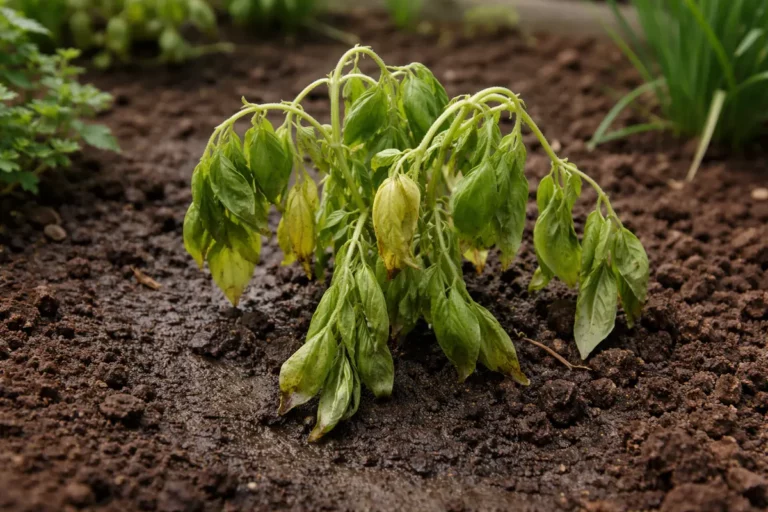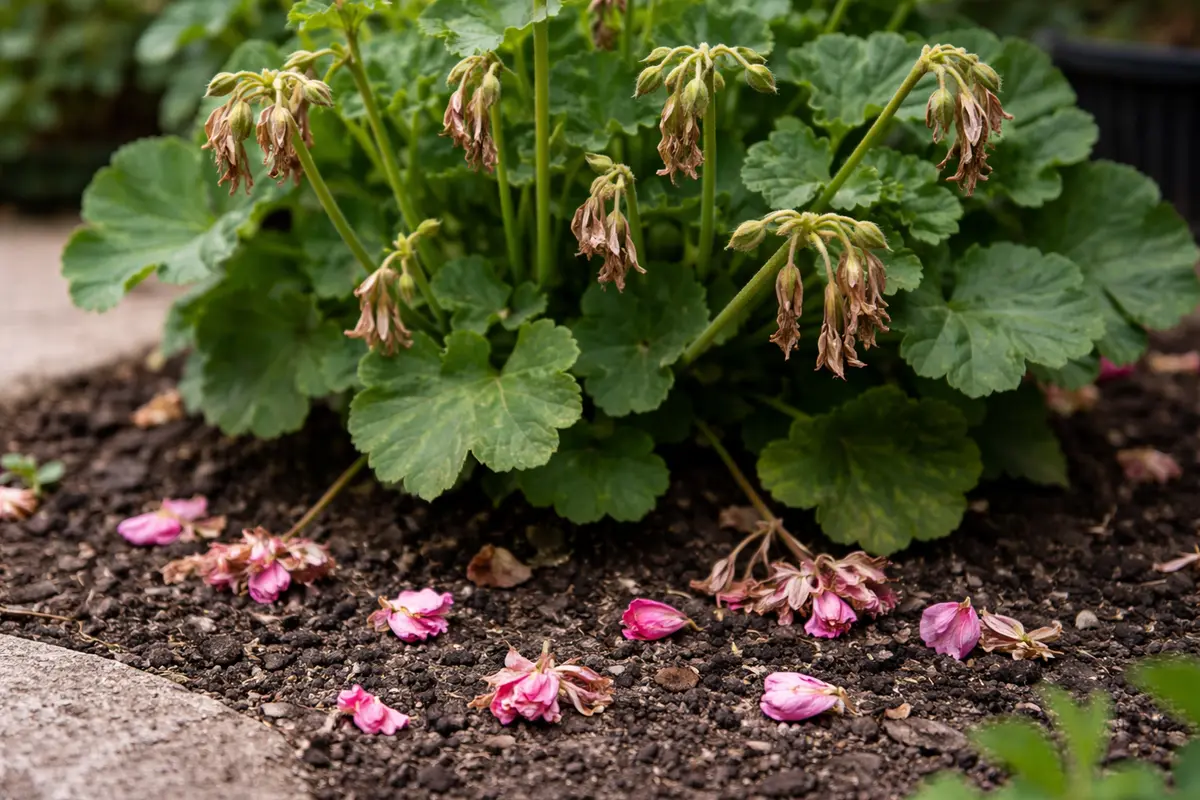
You may notice your geraniums sitting sadly in their pots, their vibrant blooms missing when summer heatwaves typically coax them into full bloom, which is why you need to know “Why are my geraniums not flowering after pinching back.” Unable to produce flowers, the plants may exhibit signs of stress such as yellowing leaves or drooping stems. Ignoring these symptoms can lead to bigger problems that worsen over time, but you can rectify the issue now by inspecting the soil, adjusting your watering routine, and monitoring their overall health.
Step 1 – Trim Back Geraniums for Better Blooming
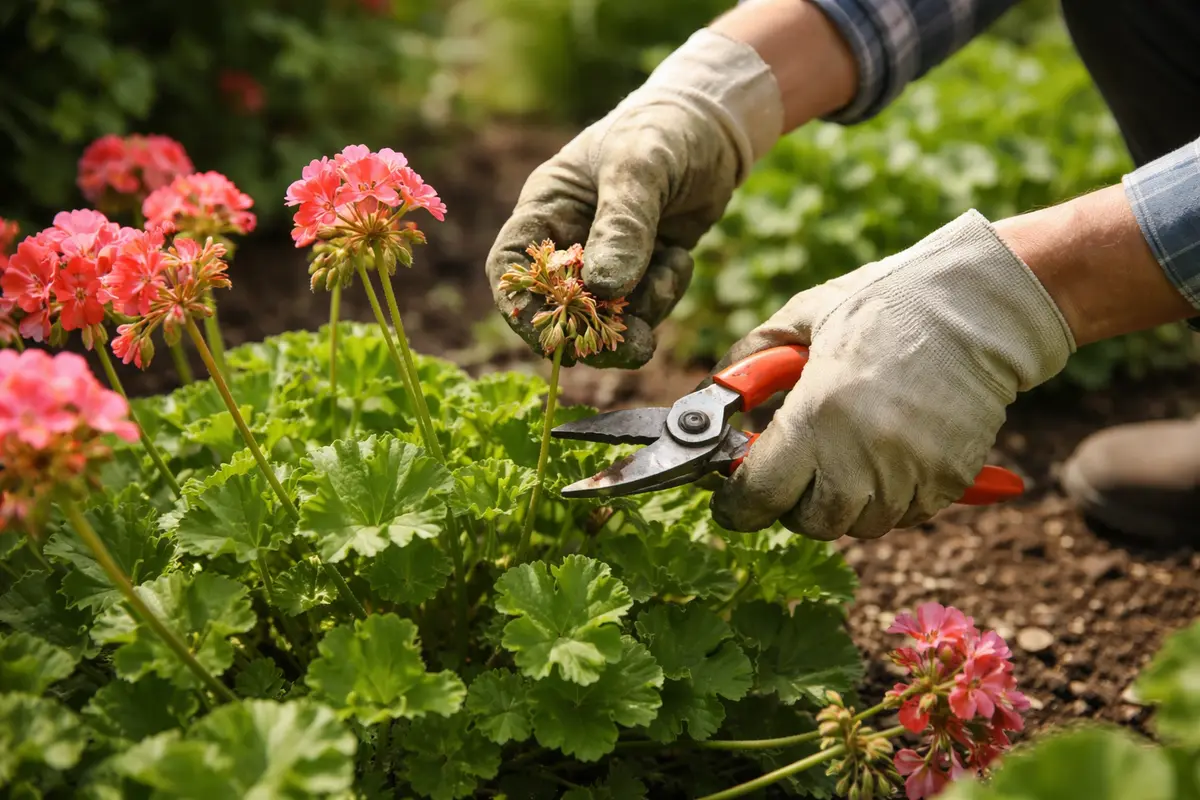
Start by trimming back any dead or wilted growth on your geraniums. You will immediately see fresher, green stem shoots appear, which indicates healthier growth conditions. This action stimulates the plant to redirect its energy from maintaining old foliage to producing new growth, which is crucial for flowering. Ensure the cuts are made just above a node, ideally at an angle, which facilitates quicker recovery and promotes sprouting. If the plant has multiple stems, trimming them down to about 3-4 inches from the soil line can encourage a fuller shape and more flowers and allows the lower leaves to receive adequate sunlight.
Trimming geraniums helps rejuvenate them, allowing for better air circulation and light penetration essential for flower production. If stale or damaged growth is left unchecked, the plant may expend energy on maintaining unproductive parts, leading to diminished flowering potential. Timing is crucial in this phase; if you wait too long after noticing wilting—typically more than a week—you risk permanent damage to the plant’s flowering cycle. As buds begin to appear, keeping stems over six inches can promote better new growth while allowing light to reach lower leaves, which play a crucial role in photosynthesis.
A common mistake at this stage is merely pinching off the top leaves without assessing the overall health of the stems. Failing to clear out unhealthy tissue can lead to increased stagnation in growth. Furthermore, if you cut incorrectly or too aggressively, you may actually hinder the plant’s vigor, causing it to take longer to recover and produce blooms. For instance, making cuts too close to the stem can cause stress and encourage disease, delaying or completely preventing flowering. Ideally, make a habit of checking growth patterns weekly to time your pruning sessions effectively, especially as the blooming season approaches.
Step 2 – Analyze Nutrient Levels in Soil for Geraniums
Check the nutrient levels in your soil by testing pH and nutrient content with a home kit. When you adjust soil nutrients properly, you will notice improved leaf color and healthier foliage within a few days. Nutrient deficiencies, particularly in nitrogen and phosphorus, can significantly inhibit flowering and overall plant health. For optimal growth, aim for a soil pH between 6.0 and 7.0, as this range allows for maximum nutrient availability. If the soil pH is outside this optimal range, plants may show symptoms of nutrient lockout, where they cannot take up essential minerals, further stunting growth—indicating a possible need to amend the soil composition.
Geraniums thrive in nutrient-rich soil that is properly balanced for growth. The absence of vital nutrients inhibits processes necessary for flowering, leading to weak growth and a lack of blooms. If nutrients are insufficient or improperly balanced, you may observe stressed symptoms, such as pale leaves or limited growth. If left unaddressed, these deficiencies not only affect the current blooming cycle but can also make the plant more susceptible to pests and diseases. Observing soil texture can also reveal underlying issues; if the soil feels overly compacted or heavy, it might indicate a lack of oxygen to the roots, prompting a different corrective action—consider amending the soil texture for better drainage and aeration.
Consider, too, that if you detect any lingering sour smells emanating from the soil, it indicates poor drainage and possible root rot, which requires urgent treatment. Should you find that the pH is too low or high, adjusting it by adding sulfur for alkalinity or lime for acidity can drastically enhance flowering potential. Remember that if nutrient levels are significantly low, it might take a couple of weeks after application to see improvements in plant health and flowering capability—so patience is essential while you work on correcting these issues to allow your geraniums the best chance of thriving.
Step 3 – Revitalize Geraniums with Appropriate Fertilizer
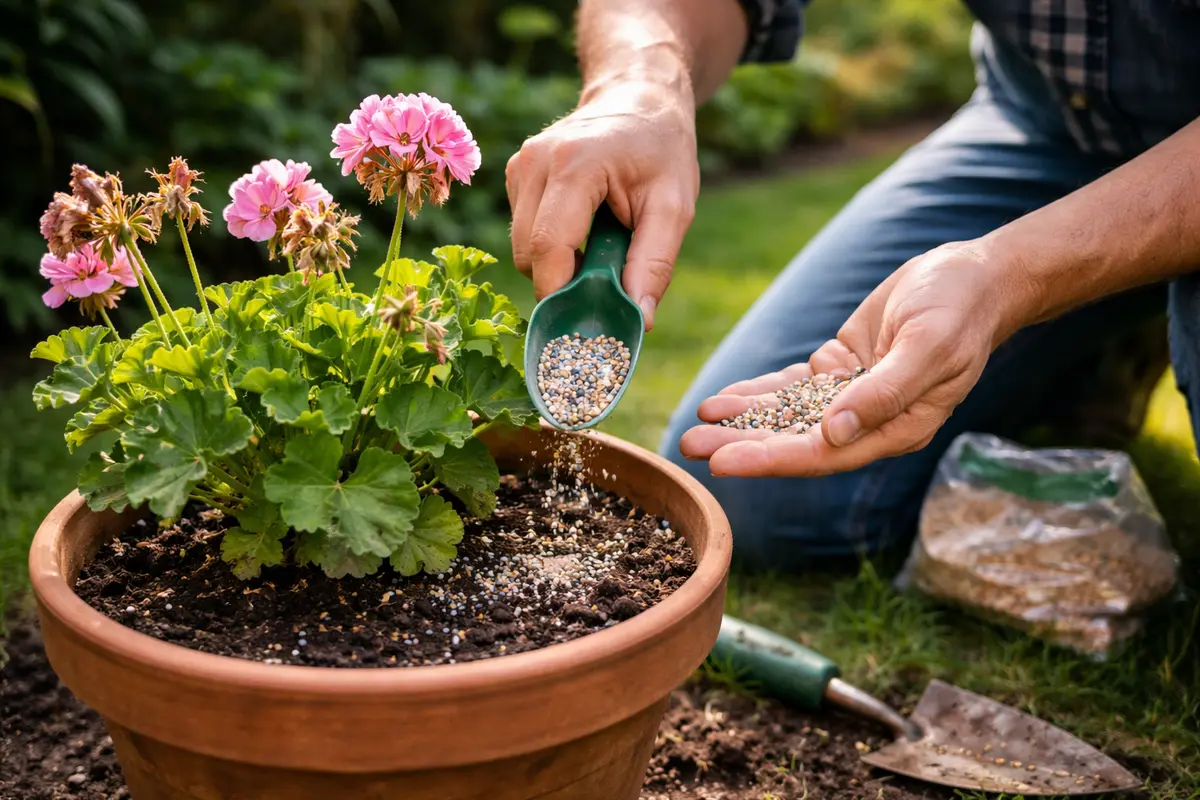
Apply a balanced, slow-release fertilizer designed for flowering plants to your geraniums. You should see an increase in foliage size and strength along with the initiation of flower bud formation within weeks. This immediate boost ensures your plants receive the necessary nutrients crucial for vigorous growth and prepares them to bloom effectively. The ideal fertilizer should have a higher phosphorus ratio, which directly impacts blooming capability. Look for an NPK (Nitrogen, Phosphorus, Potassium) ratio such as 5-10-5, as this supports both leaf and flower development.
Fertilizers often contain essential nutrients that support flower formation, enabling the plant to store energy necessary for blossoming. Using the right kind of fertilizer can prevent nutrient deficiency, which restricts blooming potential, allowing for the overall improved health of your geraniums. Make sure to follow the recommended application rates on the package; too frequent application can lead to nutrient buildup that may poison the plant rather than help it thrive. Ideally, you should fertilize every 4-6 weeks during the active growing season for optimal results; carrying out a test patch on a single plant can help gauge the effectiveness before applying it widely.
One common mistake in fertilization is overdoing it; too much fertilizer can cause “burning,” evident by dry leaf edges and slow overall growth resulting from nutrient overdose. Ensure to check for signs of distress, such as yellowing at the tips of the leaves, indicating that too much fertilizer has been applied. Alongside this, monitor plants for trimmings that become excessively brittle or appear to scorch under the sun. You should also avoid fertilizing stressed plants—before applying any fertilizer, ensure the geraniums are healthy. Applying diluted fertilizer every couple of weeks instead of a strong single dose can prevent root burn and imbalance, especially if the plants have been under stress. An alternative approach is to consider a foliar feeding option—applying nutrients directly to leaves if the roots are poorly functioning at this time—offering a more immediate absorption route.
Step 4 – Avoid Overwatering to Encourage Geranium Flowers
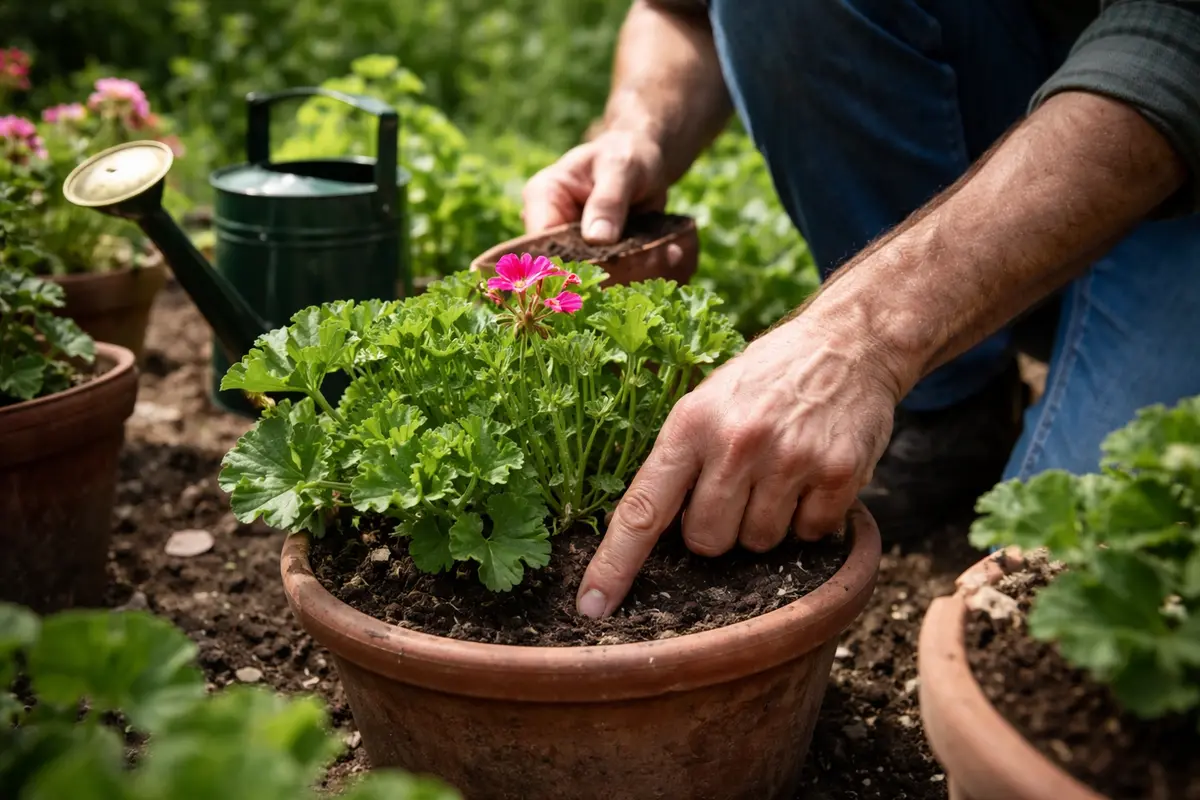
First, prune your geraniums back to encourage a bushier growth and remove any dead or yellowing leaves. This will promote new blooms within a few weeks as the plant reallocates its energy to healthy stems rather than expending it on dying foliage. While pruning is essential, it is equally important to incorporate proper watering practices. Geraniums often skip flowering when stressed due to inadequate light or inconsistent watering. If your geraniums are in shaded areas, they may struggle to produce flowers. Implementing a consistent watering schedule—checking the top inch of the soil for dryness—and ensuring they receive at least six hours of sunlight daily will address these environmental triggers. Not enough sunlight could mean checking for grow lights during shorter days or even relocating pots to sunnier areas.
As the seasons change, monitor your geraniums closely, especially during transitional weather. In cooler months, reduce water frequency but maintain adequate light; this adjustment prevents root rot and stress to the plant. If you notice drooping leaves, this indicates overwatering, and you need to adjust your watering habits accordingly. Remember that roots need oxygen to function properly, and overwatering suffocates them, leading to weakened plants that struggle to grow flowers; thus, finding a balance is critical.
Keep the soil consistently moist but never soggy. Environmental factors such as humidity and temperature also play a critical role in determining watering needs; hotter and more humid conditions necessitate more careful watering practices. For example, during excessively hot weather, you may need to adjust to a more frequent watering schedule; however, continue to ensure that each watering allows the top soil to dry out before the next. During the rainy season, transitioning your potted geraniums to a slightly more sheltered location may help mitigate excess moisture reaching the roots. If you notice water isn’t draining properly, consider potting them into containers with better drainage holes.
Also, you might want to use a well-draining potting mix, such as one containing perlite or vermiculite, to ensure that there is ample aeration around the root zone; this becomes even more critical if you notice the soil retaining water too long after rainfall, which can lead to root stress and eventually hinder flowering. An essential reminder is always to check that pots have drainage holes; if they do not, root rot is likely, which is a severe hindrance to flowering. Knowing the difference between healthy, moist soil and overly saturated or compacted soil can guide you to make timely watering decisions, essential to encouraging blooms.
Step 5 – Check Geranium Leaves for Flower Bud Development Weekly
Start by monitoring your geraniums every few days to check for new growth and flower buds. Look closely for signs of recovery such as fresh green shoots emerging from the plant and the formation of flower clusters. If you don’t observe any changes within a week, reassess the plant’s condition to identify potential underlying issues.
A fully recovered geranium exhibits lush, vibrant leaves with firm texture and well-developed flower buds that are plump and healthy. In contrast, early signs of recurring problems can include yellowing leaves that feel brittle and stems that appear weak or leggy. If the blooms fail to form but the foliage remains intact, inspect the soil for potential overwatering or inadequate drainage.
If the problem resurfaces despite following the steps, consider adjusting your watering schedule to allow for better drainage and aeration. Additionally, you might want to check for pests or signs of disease affecting the plant’s overall vitality. Should these conditions persist, escalating to a more targeted treatment like a fungicide or insecticide may be necessary to protect your geraniums.
Monitoring the leaves can provide insights into the plant’s health; healthy buds should appear firm, green, and robust if conditions are optimal. If buds start to drop prematurely or look weak, it hints that environmental factors may be misaligned, such as incorrect watering practices, over-fertilization, or pest infestations. Tracking changes weekly enables necessary adjustments in your care routine, providing a robust pathway to successful flowering; you may also consider keeping a gardening journal to track these observations systematically if you desire an analytical approach to plant care.
If you realize that despite all efforts, the plants are not developing flowers as expected, consider re-evaluating the conditions they thrive in. Sometimes, consulting a local gardening expert can offer new insights, especially if you suspect pest troubles. Each inspection offers an opportunity to correct course before significant damage occurs, allowing you to maximize flowering potential. When multiple plants start to show similar issues, it might be time to assess growing conditions holistically, including light levels, soil health, and watering routines for overall improvements.
FAQ
How long does it take for geraniums to flower after pruning?
After proper pruning, geraniums typically start showing new flower buds within 3-6 weeks if the conditions are ideal. Factors such as sunlight exposure, watering, and nutrient levels greatly influence the timing and abundance of blooms. Therefore, ensuring that these elements are aligned will maximize the chance of successful flowering.
Should I remove yellowing leaves on my geraniums?
Yes, removing yellowing leaves is advisable as they can divert resources from healthy parts of the plant. Clearing these leaves helps promote better air circulation, enabling the plant to focus energy on growth and potential flowering. Neglecting to do so can impede overall health and flowering potential, risking a stunted blooming cycle.
Will my geraniums recover if they haven’t bloomed this season?
Geraniums can bounce back for the next flowering season if you address the underlying issues now, such as nutrient availability and proper care conditions. Maintaining consistent care over the winter months will improve their chances of a successful blooming phase next year. Remember to monitor their health closely during the off-season to address any issues early on.