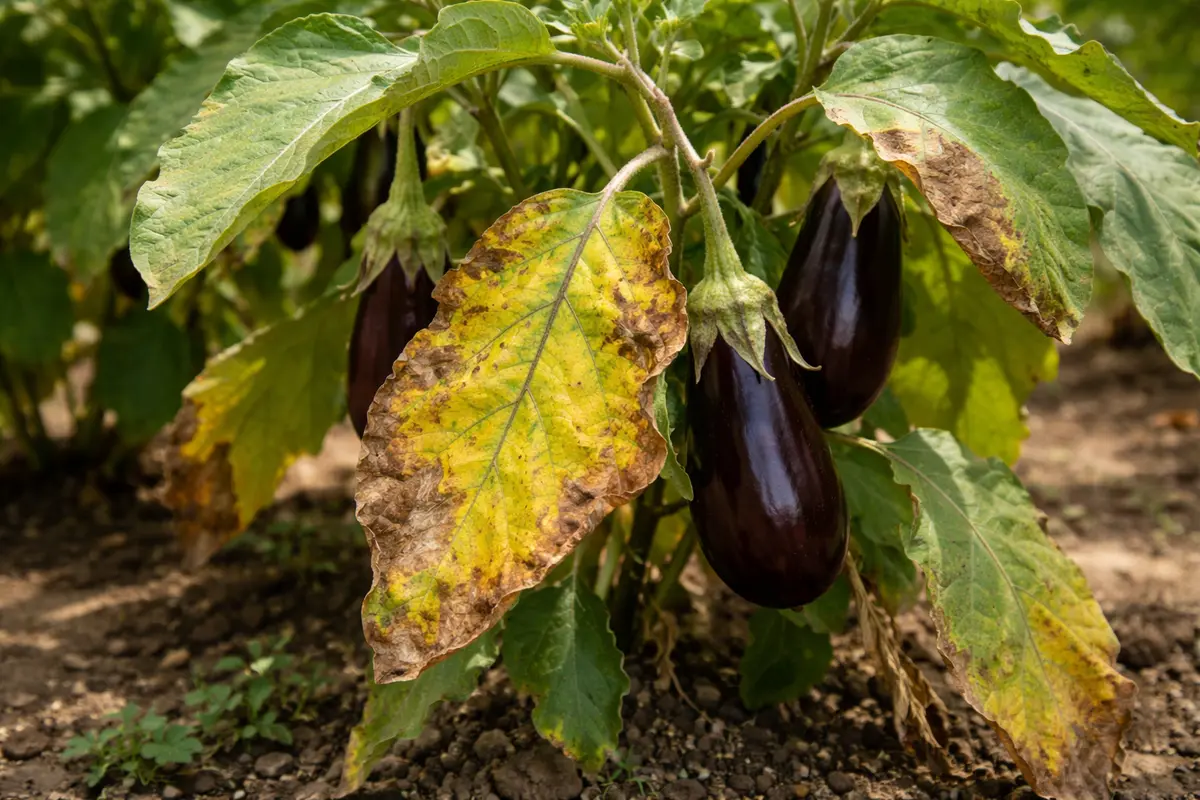
You may notice yellowing leaves on your eggplants during hot weather, which is why you need to know how to fix yellowing leaves on eggplants during hot weather. This yellowing typically indicates stress, often caused by high temperatures and insufficient water, leading to wilting and potential damage to the plant. If not addressed, the problem can worsen, weakening the plant and stalling its growth, but fixing it is possible now—just inspect your watering routine and adjust your plant’s exposure to sunlight.
Step 1 – Water Eggplants to Combat Heat Stress
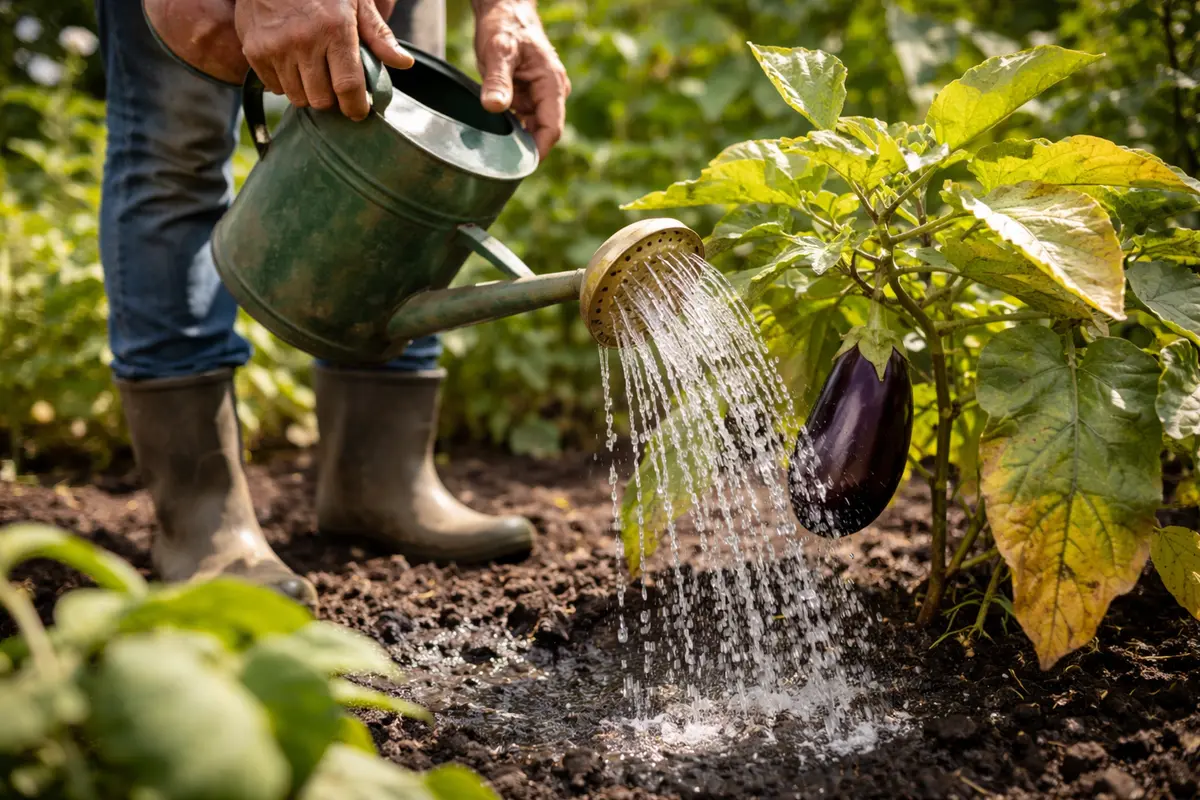
Start by watering your eggplants deeply, ensuring moisture penetrates at least six inches into the soil. You should implement this watering regimen every two to three days, depending on your local conditions. You will observe the yellowing leaves begin to perk up within a few hours as the plant recovers hydration. It’s crucial to maintain consistent moisture, especially during sweltering heat, as eggplants thrive in well-hydrated soil. The initial reaction might be subtle; look for the leaves to exhibit a bit of firmness as they acclimate to the added moisture.
Watering is essential because without adequate moisture, eggplants struggle to maintain their nutrient uptake, which can quickly lead to yellowing leaves. The heat can elevate the soil temperature, causing rapid evaporation and accelerating moisture loss. A well-hydrated root zone allows the eggplants to pull in the necessary nutrients; keeping the soil consistently damp enables the plants to utilize nutrients already present in the soil. Pay close attention—if the top inch of soil dries out completely, it risks further stress to your plants, which could escalate into irreversible wilting or growth stunting.
A common mistake is assuming that a light watering will suffice. If you’re dealing with compacted or clay-heavy soil, water might run off instead of penetrating deeply, leaving roots increasingly dry. Always check the moisture level by inserting your finger into the soil. If the top couple of inches feel dry, soak the area thoroughly with about two inches of water around the base of the plant for optimal absorption. In extremely dry conditions, consider using mulch around the base of the plants to help retain soil moisture, which will reduce the frequency of watering and help prevent the soil from drying out too quickly. Remember that too much water can also cause root rot, a common issue that manifests when plants drown due to poor soil drainage.
Step 2 – Examine Soil for Nutrient Deficiency
Start by checking the soil moisture around your eggplants; if it feels dry a few inches down, thoroughly water the plants. As the soil saturates, expect the leaves to gradually regain their green color within a few days, indicating improved hydration. If the leaves remain yellow, you may have to assess the nutrient levels, particularly nitrogen and magnesium, in the soil.
Yellowing leaves often signify water stress due to inadequate soil moisture. When the soil dries out excessively, roots struggle to absorb necessary nutrients, which leads to chlorosis, or yellowing of the leaves. In contrast, overly hydrated soil may cause root rot, resulting in a different yellowing pattern, with leaves wilting and drooping. If the soil looks muddy and smells sour, check for drainage issues instead.
If you notice the leaves remain yellow despite adequate watering, perform a simple soil test to determine nutrient levels. Low nitrogen might be the issue if older leaves are yellowing first, while a magnesium deficiency typically affects newer growth. To correct this, apply a balanced fertilizer high in nitrogen and observe if the color improves within a week; otherwise, inspect for signs of pests or diseases affecting root health.
Nutrient deficiencies, particularly nitrogen, potassium, and magnesium, often manifest as yellowing leaves. When nitrogen levels are low, the older leaves typically turn yellow first, indicating the plant is lacking essential components for photosynthesis and growth. Testing and amending the soil corrects these deficiencies, enabling the eggplant to absorb the nutrients it requires effectively. If the pH level is off balance due to either acidity or alkalinity, it might hinder nutrient uptake even in well-fertilized soil, leading to confusion about the plant’s nutritional status.
If your soil smells sour or appears waterlogged, it indicates poor drainage, potentially leading to root rot. In this case, consider moving the plant to a better-draining location or improving drainage by adding organic matter like compost or perlite. Always remember that the timing for soil amendments is critical. Applying them before the heat sets in can prevent earlier onset of nutritional issues, ensuring that when the heat does rise, your plants are well-prepared. Conversely, if the soil is dry and depleted, a thorough irrigation session while adding amendments can aid in nutrient absorption, which is crucial in maintaining plant health during heat stress.
Step 3 – Fertilize Eggplants to Revitalize Growth
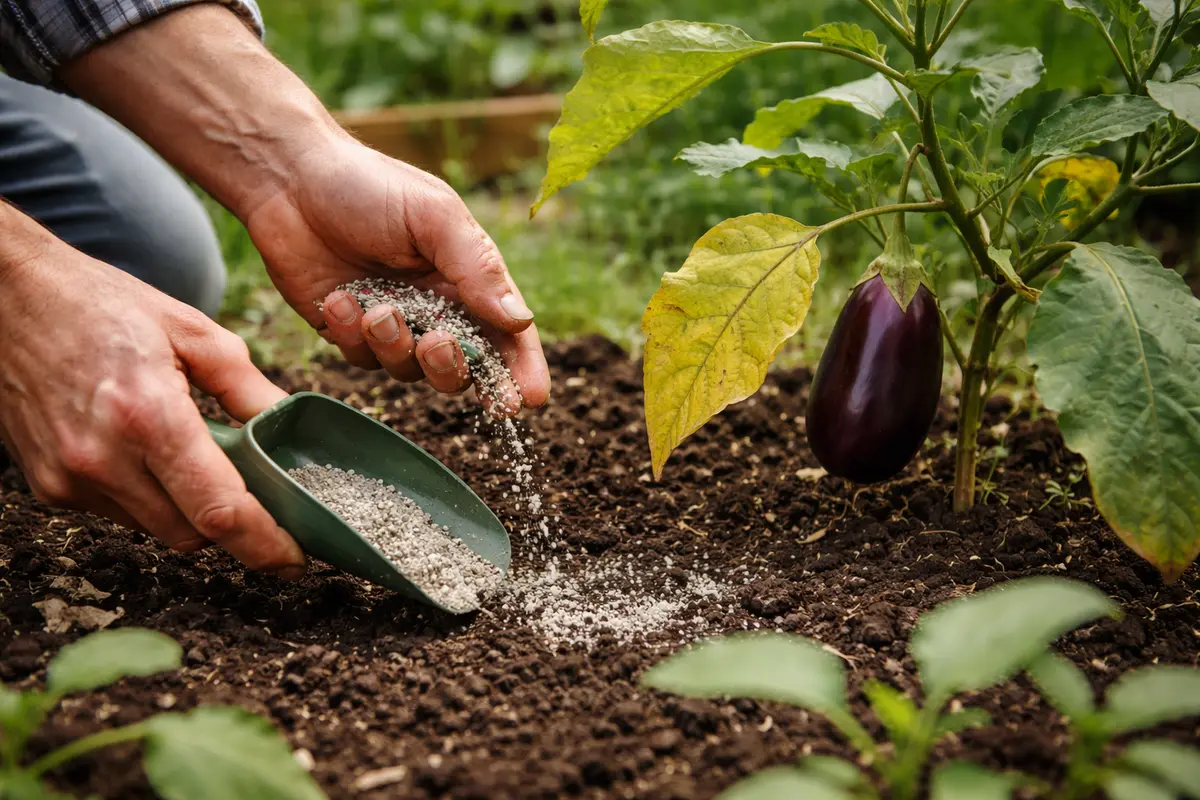
Start by providing consistent moisture to your eggplants by watering them deeply every 2-3 days, especially during hot weather. Look for signs like a gradual return of vibrant green leaves, indicating recovery from stress. Alongside proper hydration, apply a balanced fertilizer every 4-6 weeks to support nutrient absorption, promoting overall plant resilience against future heat stress.
Recovery can take 1-3 weeks, and visible improvement often coincides with cooler nights and increased humidity. If leaves continue to yellow despite proper watering, increased temperature stress may be the issue. This is particularly true if leaf edges are browning. In that case, check your soil moisture levels; fluctuating may trigger a recurrence of yellowing.
A common mistake during this transition is over-fertilizing, which can exacerbate leaf yellowing instead of improving it. Adjust your fertilization schedule based on the severity of yellowing; if yellowing persists after a week, reduce the fertilizer amount. Always remember to check for signs of root rot, especially if your watering habits have changed dramatically.
Fertilizing is essential not only for recovering from chlorosis but also for preventing future episodes. The added nutrients bolster the eggplant’s health, allowing them to withstand environmental stresses better, particularly high temperatures. Incorporating slow-release organic fertilizers can improve soil composition and gradually feed the plant, promoting stronger root systems, which are vital for nutrient absorption. Monitor your fertilization closely; too much can lead to a ‘burn’ effect, where the roots become damaged from excess salts, causing yellowing to return.
A common mistake during this recovery phase is over-fertilization. If you notice that new growth appears stunted or leaves begin curling or browning at the tips, this may indicate excess nutrient levels or salt build-up in the soil, damaging the roots and leading to further yellowing of the leaves. If you have recently fertilized and find that the problem persists, you may want to suspend fertilization until the leaves show signs of improvement. Always follow package guidelines closely; it’s advised to use approximately one cup of fertilizer per plant, spread evenly around the base. For a more hands-off approach, consider using liquid fertilizers as a safe alternative to supplementary soil nutrients, particularly after heavy rainfall, which might wash nutrients away. If your area experiences extreme heat, avoid fertilizing during the hottest parts of the day, as plant stress can increase the risk of nutrient burn.
Step 4 – Inspect Leaves for New Yellowing Signs
Start by checking your eggplants every morning for signs of yellowing leaves during hot weather. Observe the leaves closely for any discoloration that intensifies, particularly around the edges. Recheck every 2-3 days to monitor the progress of the leaves, noting any changes in color or texture. If the problem recurs, assess whether these changes correlate with fluctuating environmental conditions.
A fully recovered eggplant plant displays vibrant, dark green leaves that feel firm and supple, indicating proper moisture levels. In contrast, early signs of the problem returning include a pale yellow hue and a curling texture at the tips of the leaves. If you notice the leaves turning a lighter green again, check for proper watering and, if the moisture level is sufficient, ensure there is adequate shade from direct sunlight to prevent stress.
If yellowing returns despite addressing the initial causes, consider applying a balanced fertilizer to boost nutrient uptake. Look for results within a few days, but if the yellowing persists after fertilization, escalate your method by consulting a local agricultural extension or a gardening expert, as they may help pinpoint specific pest or disease issues that require targeted treatment.
Recovered eggplants typically exhibit firm, green leaves and healthy new growth, while returning signs of yellowing can indicate a recurring problem. If such symptoms arise, it’s essential to reassess your current care routine, checking moisture and nutrient levels again. Simple actions like inspecting moisture retention in soil or monitoring for pest activity can make a significant difference. Without proper care, these plants might react poorly, potentially inviting diseases that could undermine your crop. For instance, you may observe fungal issues arising from prolonged moisture on infected leaves. Thus, timely inspection can preempt larger problems and save your effort growing eggplants. In tight spacing, fungal growth on lily bulbs during can spread quickly.
If you notice yellowing returning after implementing these strategies, it might be necessary to revisit your fertilization schedule, inspect for pest infestations, and even consider environmental conditions such as extreme heat or water stress. If insect problems are detected, consider applying neem oil or another organic pest deterrent. Depending on the severity and frequency of yellowing, you may need to set a schedule for preventative measures, like regular compost applications, or adjust your watering practices based on the changing weather conditions. Remember, adjusting care based on what your plant shows through its leaves will optimize growth and sustainability, especially during peak heat stress periods.
FAQ
How long does it take for eggplants to recover from yellowing leaves?
Typically, if the underlying issues are addressed, you can expect to see improvements within one to two weeks. Nutrient recovery and proper watering often lead to visible changes as leaves regain their color and firmness during this period. However, if conditions are exceptionally severe or nutrient deficiencies are improperly addressed, it may take longer for your eggplants to fully recover.
Can yellowing leaves spread to other plants?
Yes, if the yellowing is caused by pests or diseases, it could spread to neighboring plants without intervention. Regular monitoring and immediate action can help contain any issues before they start impacting your entire garden. If problems are detected early, it might mean applying a targeted organic treatment rather than a widespread approach, minimizing damage across your vegetable patch.
Should I remove the yellowing leaves from my eggplants?
Yes, removing yellowing leaves can help redirect energy to healthier parts of the plant. Be sure to do this carefully so as not to damage the rest of the plant. You can consider crushing or otherwise disposing of the affected leaves properly to prevent the spread of pests or disease. This proactive approach can also give you a clearer visual on the recovery of your plant as fresh growth emerges, helping to assess the effectiveness of your care strategies.