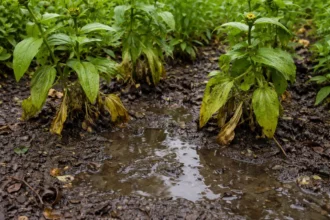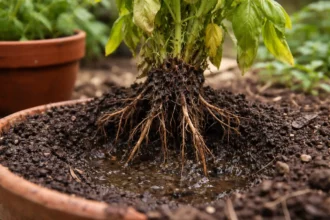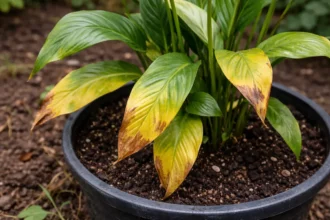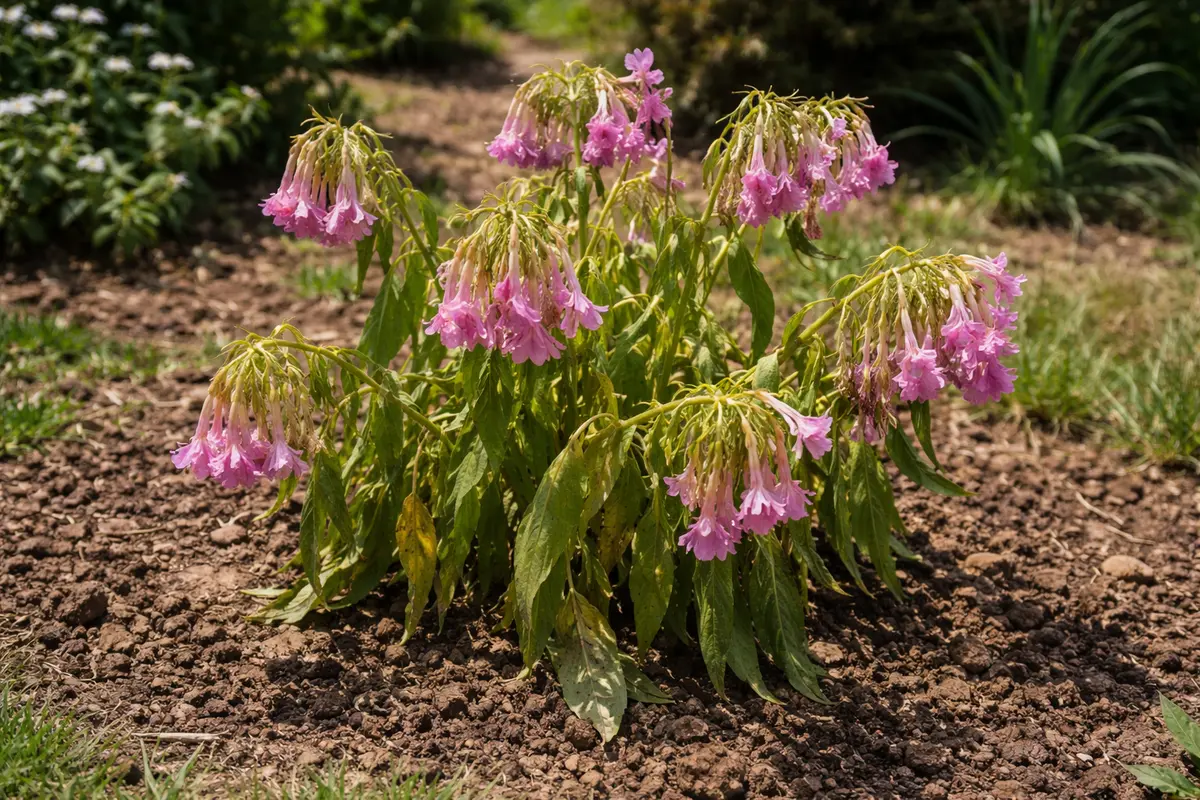
You may notice your phlox drooping and looking rather sad during the hottest parts of the day, which is why you need to know why does my phlox wilt after strong sun exposure. This wilting happens because the intense heat can cause the plant to lose more moisture than it can absorb, leading to significant damage and drooping foliage. If left unaddressed, this issue can worsen over time, weaken the plant, and potentially lead to further damage. However, fixing it is possible now—simply check the moisture levels and adjust your watering routine as needed.
Step 1 – Water Phlox Immediately to Revive Wilt
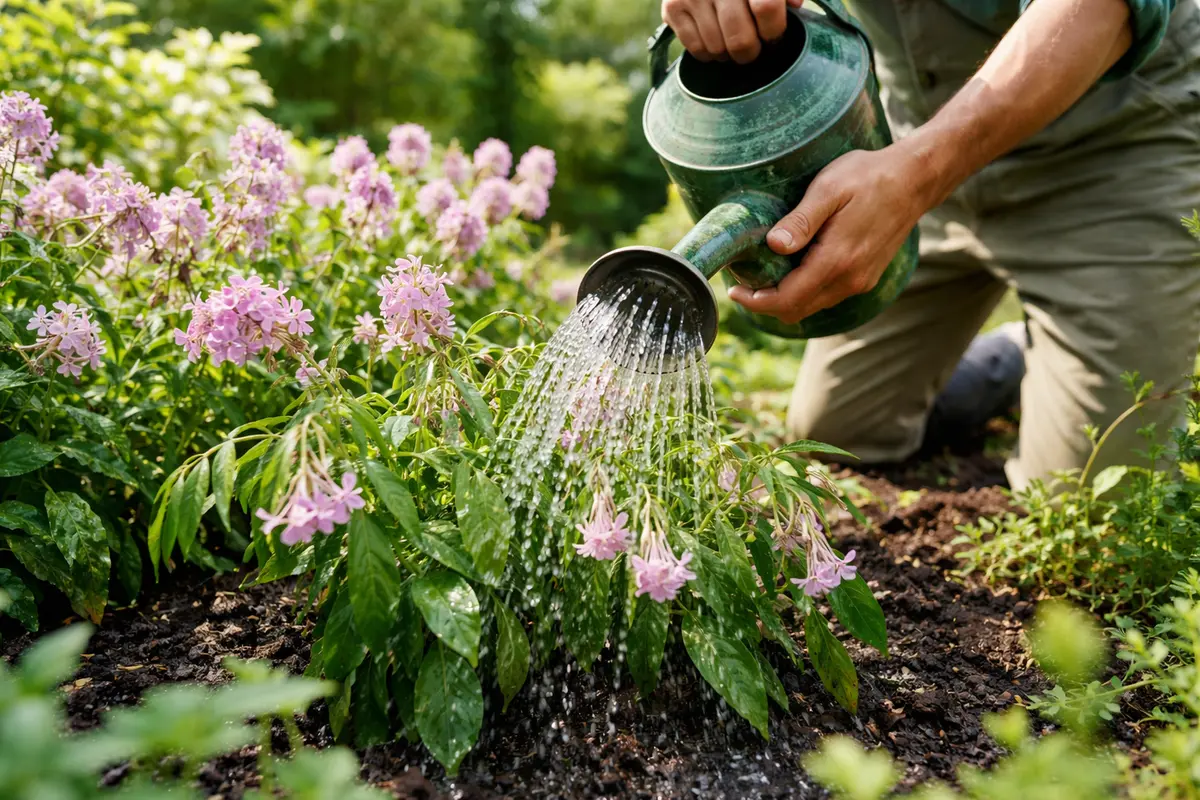
Water the phlox deeply to rehydrate the plant. You will see the leaves perk up within a few hours as moisture is absorbed. Begin by checking the soil moisture level: insert your finger about two inches into the soil. If it feels dry, give your plants at least one to two gallons of water per every three feet of planted area. If hydration is sufficient, a light sprinkle may be all that is needed. In cases where soil is particularly compacted, consider using a soaker hose to allow even deeper penetration.
Phlox can swiftly dehydrate in direct sunlight, leading to wilting and stress. When water is ingested, the internal pressure within plant cells, known as turgor pressure, increases, helping the leaves regain their upright stature. Immediate soaking can revert the drooping leaves to their original posture as the roots rapidly absorb moisture. Delaying this action can cause irreversible damage to the leaf tissue and root systems, which may become evident through browning or loss of vibrancy. Keep an eye on the clock! If you don’t observe improvement in the leaves within three hours after watering, consider additional troubleshooting.
A common mistake is to apply only a light drizzle instead of deep watering, which may not effectively penetrate to the root zone. If the top layer of soil seems moist, the roots may still be dry. Ideally, aim to water until moisture penetrates about six inches down into the soil to ensure thorough hydration. Consider the root spread of your plants; if they extend beyond two feet, you’ll need to water more broadly. Should the wilting continue even after deep watering, check the drainage of your soil—poor drainage could mean the roots are sitting in overly saturated conditions, failing to absorb the water efficiently.
Step 2 – Diagnose Heat Stress in Your Phlox
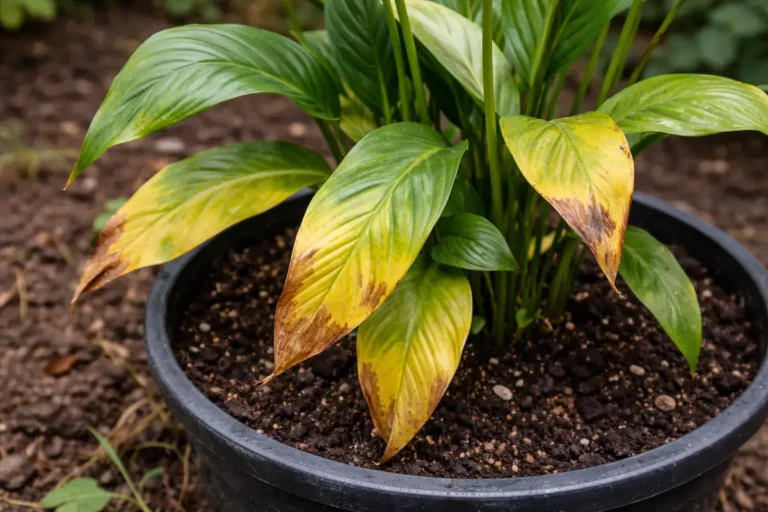
Inspect the leaves closely for signs of heat stress, such as scorching or browning leaf edges. Look for additional indicators of stress, like curled or discolored leaves, which can reveal that the phlox is experiencing severe stress from environmental conditions. Such symptoms typically arise when plants endure prolonged exposure to sunlight, particularly in the afternoon when temperatures peak. A noticeable shift from vibrant greens to muted or yellow tones is a critical indicator of dehydration.
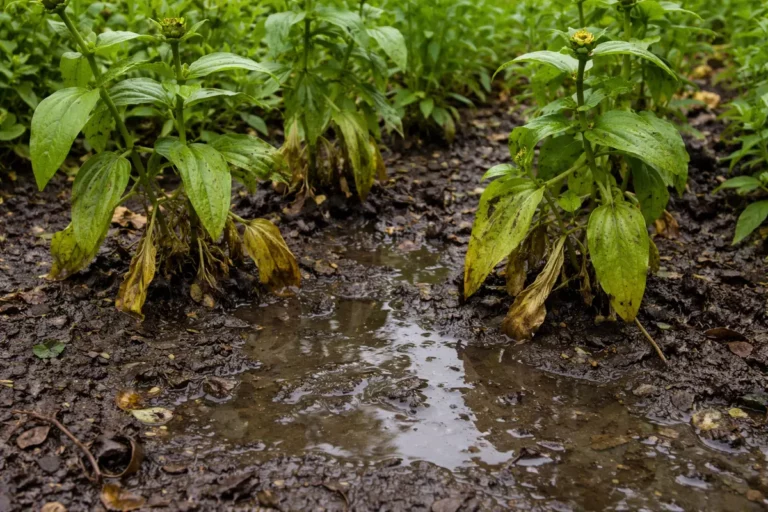
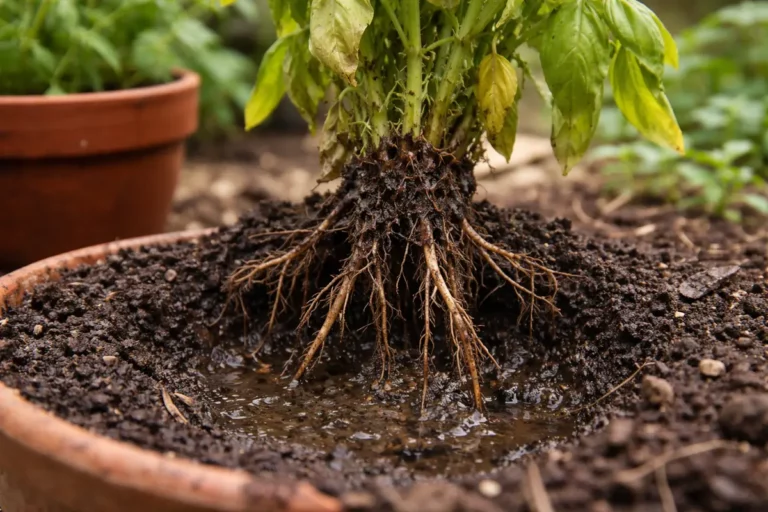
Heat stress in phlox occurs when plants are exposed to unrelenting sunlight without sufficient moisture. High temperatures can cause the plant to close its stomata to conserve water, leading to the wilting you observe. If you notice that leaves are drooping but the soil feels wet, this could indicate overwatering, leading to root rot, which becomes evident through mushy stems or progress of decay. Alternatively, if the leaves feel dry and firm, it suggests that watering frequency is inadequate, exacerbating dehydration. By identifying these variables early, you can tailor your care approach to better suit the phlox’s needs. Take note of the weather conditions and compare performance during heat waves versus mild days to gauge stress levels effectively.
If a week passes without improvement in the leaves despite appropriate watering, it’s critical to assess environmental conditions for factors like wind exposure or excessive heat. A quick check for moisture competition from nearby plants or trees can reveal additional stressors on your phlox. If the stress seems advanced, changing your care approach may involve selecting a lighter fertilizer or adjusting surrounding plants that may be competing for water. Checking on shade availability can also help improve conditions in a gradually warming climate.
Step 3 – Apply Balanced Fertilizer for Recovery
Water your phlox deeply, ensuring the soil is moist but not soggy. Check daily for signs of improvement, such as leaves slowly regaining their firmness, which indicates that they are absorbing moisture efficiently. Mulching around the base can also help retain soil moisture and regulate temperature, further improving conditions for recovery.
Recovery from wilting can take anywhere from a few days to a couple of weeks, depending on environmental conditions like heat and humidity. Signs of healthy regrowth typically manifest as new green shoots emerging from the plant’s base within this timeline, while wilting may persist if the soil remains dry or the temperature stays excessively high. If you notice stunted growth instead of vibrant green leaves, check for adequate watering and potential coverage during the hottest parts of the day. It’s a good idea to monitor the local weather and adjust the watering schedule to synch with any rising temperatures.
Avoid overwatering your phlox as it can lead to root rot, worsening the wilting situation. Fertilizing too soon after a wilting episode may shock the plant. If your phlox leaves remain yellow rather than green despite good watering, check for signs of disease or improper drainage in the soil that can indicate stress from nutrient deprivation. Be mindful that while nitrogen promotes lush growth, too much can backfire, leading to weaker plants, especially if they’ve recently been through heat stress. Monitoring fertilizer application and considering a slow-release option can mitigate these risks.
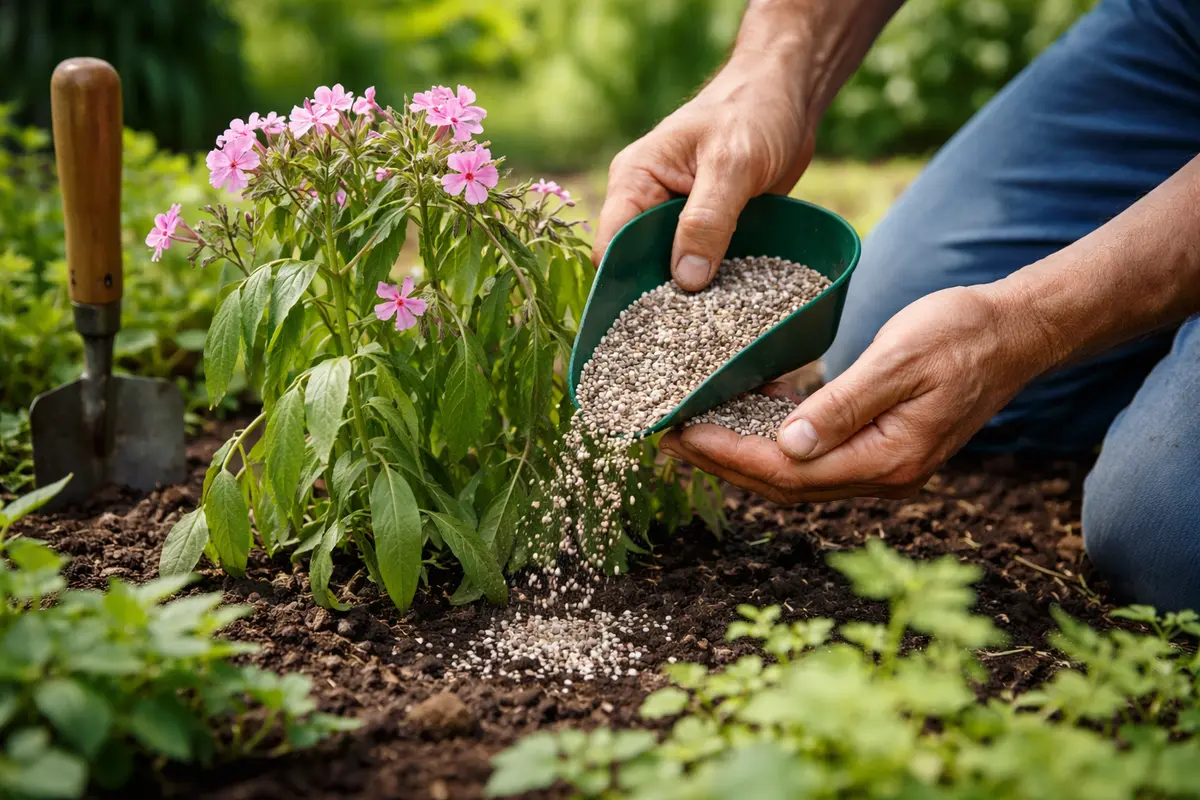
This fertilizer will supply necessary nutrients that may have been depleted in the soil due to the distress of heat stress. Essential nutrients like nitrogen and potassium are vital for leaf and flower production, and deficiencies often lead to stunted growth. However, if wilting continues without signs of recovery after a week of fertilization, consider rotating to a different fertilizer formulation or timing the application more closely to a cooler part of the day when the plant is more capable of absorbing nutrients.
Step 4 – Shade Phlox During Peak Sun Hours
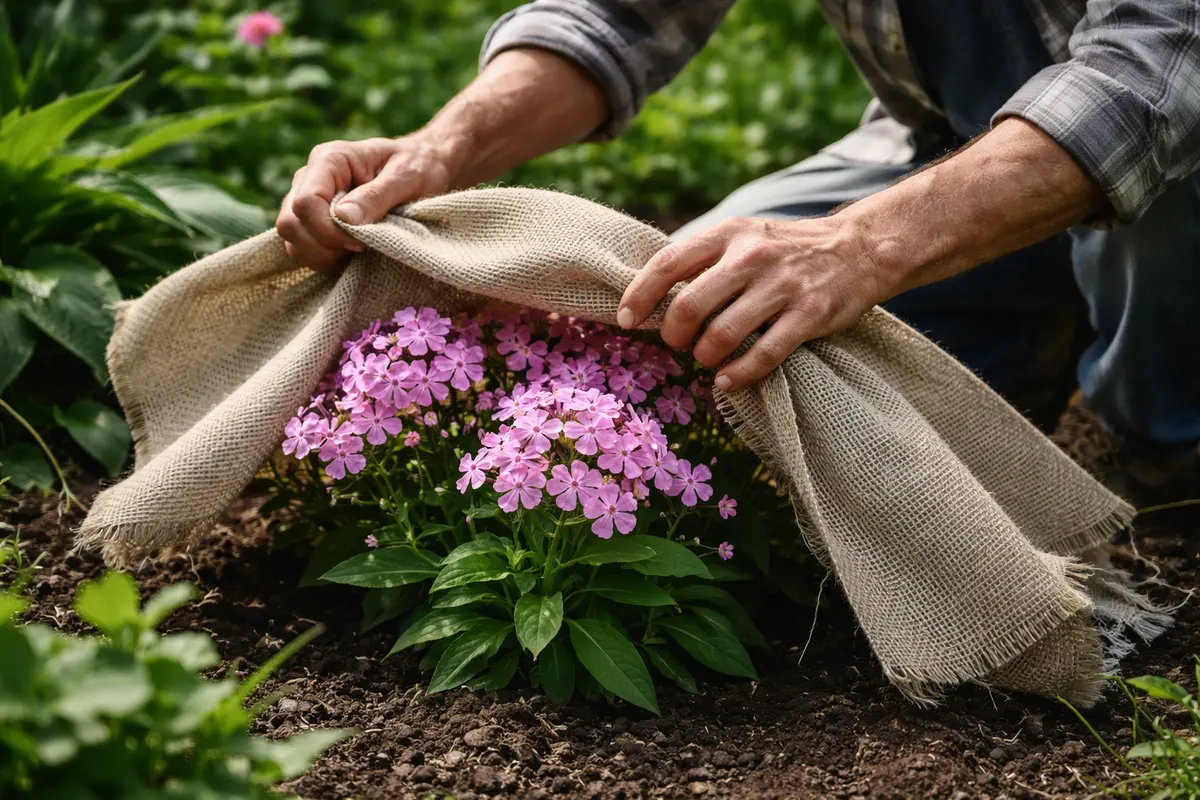
Start by providing your phlox plants with partial shade during peak sun hours, especially in the afternoon. As a result, you will observe improved moisture retention in the soil and reduced wilting during hot weather, as shading effectively lowers the temperature around the plants. Quickly implementing shade solutions, such as using garden fabric or strategically positioning taller plants, can offer immediate comfort to the phlox.
Strong sun exposure leads to rapid evaporation of moisture from both the soil and the plant itself, causing wilting in phlox. By implementing this shade strategy, you directly tackle the high temperature and low humidity that triggers wilting. The contrast seen in healthy phlox in shaded areas versus wilting ones under direct sun is stark. If the leaves remain droopy even in shade, check the soil moisture level to ensure it isn’t too dry, as this can frequently be missed when considering shade alone.
During particularly hot summer months, increase the frequency of watering your phlox to accommodate the higher temperatures. Alternatively, applying mulch around the base can help retain soil moisture, acting as an additional layer of protection against the heat and preventing moisture loss. One often overlooked aspect in managing phlox is ensuring it’s planted in an area that naturally receives some afternoon shade, which can significantly reduce heat stress levels.
Furthermore, excessive exposure to high temperatures and direct sunlight can cause additional harm to stressed plants. By applying shade cloth or strategically planting taller species nearby, you can create a microclimate that protects your phlox from extreme sun. This can significantly reduce the reoccurrence of wilting during critical periods in the afternoon heat. Always monitor the weather forecast as prolonged high temperatures should prompt you to reinforce shading measures to prevent further damage. Re-evaluating your plant’s position when planting can also pay off as seasons change.
Step 5 – Check Leaves for Signs of Further Wilting
Check your phlox leaves every 3-4 days for continued signs of wilting or recovery. Upon each inspection, you should observe leaves returning to their firm shape and a vibrant color signaling recovery is underway. If you see noticeable shifts over this short time, you can assume your interventions are improving the plant’s condition. Keep an eye on both the stems and overall foliage as well; green stems indicate ongoing health, while browning stems might signal deeper issues with roots or environmental factors.
If leaf recovery is evident, you’ll notice the leaves regaining a healthy gloss and color within a week. Conversely, if wilting persists, brown edges appear, or leaves start dropping, it indicates ongoing stress or a resurgence of initial problems. Address these through continued adjustments to watering, fertilizing, and shading practices. Keep a log of conditions and plant responses to note which action had the most positive impact, guiding future care decisions.
Should problems persist, consider evaluating factors such as drainage, nearby plants, or competing weeds that may limit access to moisture and nutrients. Taking timely action when you observe these signs allows you to refine your treatment approach, enhancing the health of your phlox plants. If the phlox continues to show symptoms of wilting despite your best management efforts, consulting a local gardening expert or cooperative extension can provide tailored advice based on your region’s unique soil and climate conditions.
FAQ
How long does it take for phlox to recover from wilting?
Recovery time for phlox generally ranges from a few days to a week, depending on the extent of the damage. After proper watering and care, you can expect to see signs of improvement, like perked-up leaves and fresh growth, within this timeframe. However, if conditions remain suboptimal, recovery may extend beyond a week, so consistently monitoring your efforts will be crucial for success.
Can strong sun exposure make phlox disease-prone?
Yes, prolonged exposure to strong sun can stress phlox, making them more susceptible to pests and diseases. Stress can open the door to fungal infections or pest infestations, which may become damaging if not addressed quickly. To prevent these issues, it’s essential to maintain balanced moisture levels and provide protective shade during peak sunlight hours to promote the overall health and vitality of your plants.
Should I remove wilting leaves from phlox?
Yes, removing severely wilted or damaged leaves can be beneficial as it encourages new growth and allows the plant to redirect energy toward healthier foliage. This practice is especially vital for phlox survival, as it expedites its recovery process. However, ensure you use sterilized pruning shears to minimize any potential introduction of pathogens during this process, which can complicate recovery further.