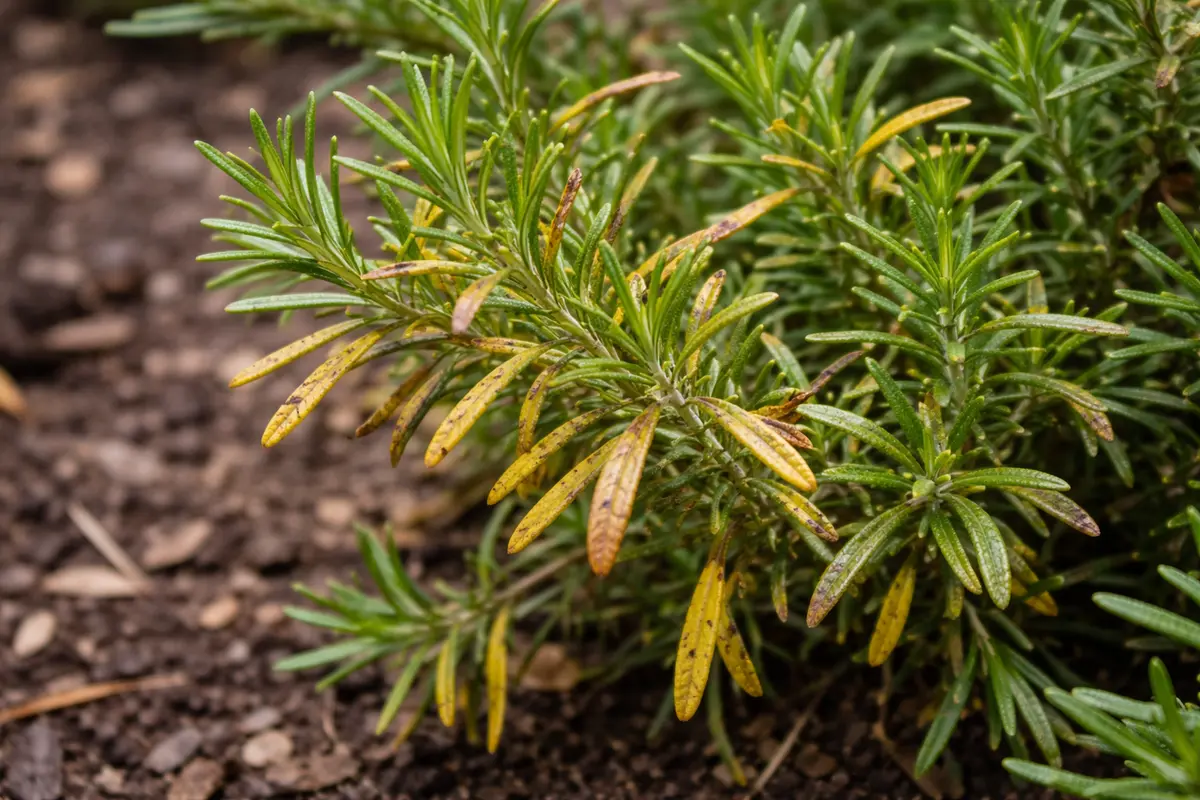
You may notice that during a heatwave, your rosemary is showing signs of distress, which is why you need to know why is my rosemary turning yellow in hot weather. This yellowing can occur due to stress from high temperatures, often leading to wilting or drooping leaves. If ignored, this issue gets worse and can weaken the plant, but fixing it is possible now—just inspect for signs of overwatering and adjust your care routine accordingly.
Step 1 – Prune Yellowing Rosemary Leaves Immediately

First, check the soil moisture level and water your rosemary deeply if it feels dry about an inch below the surface. After watering, the leaves should begin to perk up within a few hours, showing signs of improved turgor and reduced yellowing as they absorb moisture. Additionally, ensure the plant is in a location with adequate airflow, as this can help prevent stress from excessive heat.
Acting quickly to hydrate rosemary is crucial because the plant has a shallow root system; delayed watering can escalate stress and result in root damage, leading to widespread yellowing and potential wilting. For instance, insufficient water will prevent the plant from taking in nutrients, causing symptoms to worsen if left unattended for too long. If your rosemary is yellowing but the soil feels damp, check for signs of root rot as the cause.
Consider a scenario where a gardener noticed their rosemary turning yellow due to neglecting to water during a heatwave. By promptly addressing the watering issue, they were able to revive the plant within days, while another gardener waited too long and faced permanent damage. Many assume that yellowing is always related to pests, leading them to overlook hydration needs during hot spells.
Pruning yellow leaves helps prevent the spread of potential diseases and improves airflow around the plant. Rosemary is particularly sensitive to stressors like heat, which can inhibit its ability to process nutrients and water effectively. If yellowing is ignored, the affected leaves may lead to further issues, such as attracting pests or developing fungal infections. For instance, if you notice a leaf that feels soft or slimy, it may already be infected with rot; this needs immediate attention to prevent spreading. Left unchecked, this initial yellowing can compound, leading to widespread wilting or die-off.
A common mistake gardeners make is waiting too long to prune the yellowing leaves, believing the plant will recover on its own. Timely action, such as removing the bad foliage, can drastically improve its chances of recovery. It’s essential to observe leaf textures closely; monitor the base of the leaves for signs of latex or a thickened texture, as these indicate higher stress levels. If the leaves feel mushy or have black spots, this indicates deeper issues often associated with rot or disease, necessitating a more aggressive approach to treatment. For severe cases, consider whether you need to remove affected stems completely to ensure the overall health of the plant.
Step 2 – Assess Soil Quality for Rosemary
Check the soil moisture level around your rosemary. If the soil feels dry beyond the top inch, it’s time to water. You will notice that any remaining yellow leaves may stop spreading as the plant begins to recover from dehydration. Consistent checks on the moisture level will also help prevent future stress and maintain healthy growth. Use your finger to probe into the soil—if it’s dry, additional moisture is essential.
When rosemary is subjected to harsh sun without adequate moisture, it may not absorb nutrients effectively, leading to discoloration. Dry soil can cause the roots to become stressed, and they may struggle to deliver water to the leaves. The combined effect of heat stress and drought leads to accelerated yellowing, weakening the plant further. Additionally, check the pH and nutrient level of your soil; an imbalanced nutrient level might also contribute to stress. Rosemary thrives in well-draining, slightly alkaline soil; if the pH is off, it could be feeding time for weeds instead of your plant.
If your soil feels overly saturated with water, it could indicate root rot. In that case, consider amending the soil with coarse sand or perlite to improve drainage and aeration. If the soil has a sour smell, it signals a need for immediate drainage improvements or even repotting in fresh soil. Knowing how to recognize an anaerobic environment is crucial; stagnant or sour-smelling soil often stems from too much moisture without oxygen exchange. Ensuring the correct texture and drainage capability of the soil should be your goal to support healthy roots; good soil promotes healthy microbial activity that further helps the rosemary thrive. If the soil appears waterlogged for more than a day, this is a clear indicator that you will need to take action to improve drainage, which could include switching pots or amending the mix. Consider doing a drainage test by pouring water onto the soil; if it pools, drainage issues are likely present.
Step 3 – Water Rosemary Deeply for Recovery
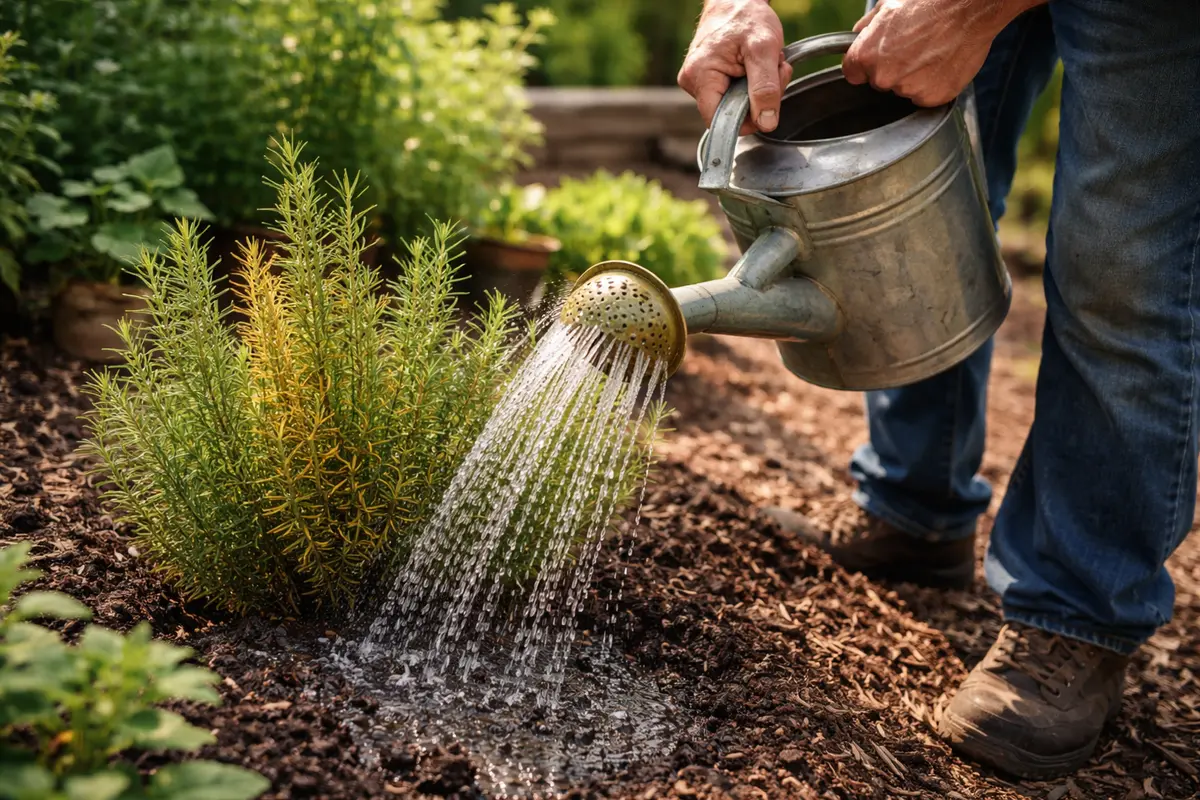
Water your rosemary deeply, ensuring that moisture penetrates at least six inches into the soil. Within a few hours, the plant should begin to perk up, showing signs of life as the leaves regain their vigor and color. Monitoring the soil’s moisture content after deep watering will help you gauge when to water again—check soil moisture daily for the first few days to ensure it doesn’t dry out too quickly. Aim to water until you see excess moisture draining from the pot’s bottom if the plant is potted.
Deep watering not only provides immediate hydration but also encourages the roots to grow deeper and establish a more robust system. This process allows the plant to withstand heat better in the future. Healthy roots can absorb water and nutrients more effectively, promoting improved growth and resilience. It’s essential to allow the topsoil to dry between watering sessions; rosemary prefers drier conditions compared to many other herbs. If you notice the leaves returning to green but still exhibit some droopiness, this could signal that while they are on the mend, the roots are still in the recovery phase.
A common mistake during recovery is overwatering the rosemary, thinking that more water will hasten the healing process. Instead, after your initial deep watering, allow the soil to dry out before adding more moisture to avoid root suffocation. If the top inch of soil remains dry after a few days, another gentle watering may be appropriate. However, if after another few days any remaining yellow leaves feel crispy and brittle, this indicates a need for more consistent moisture going forward—don’t hesitate to test regularly over the next few weeks until recovery stabilizes. Monitoring leaves closely can reveal critical insights; if they remain limp or begin to curl upward, that may point to either a water issue or environmental stress going unnoticed.
Step 4 – Water Rosemary in Early Morning Heat
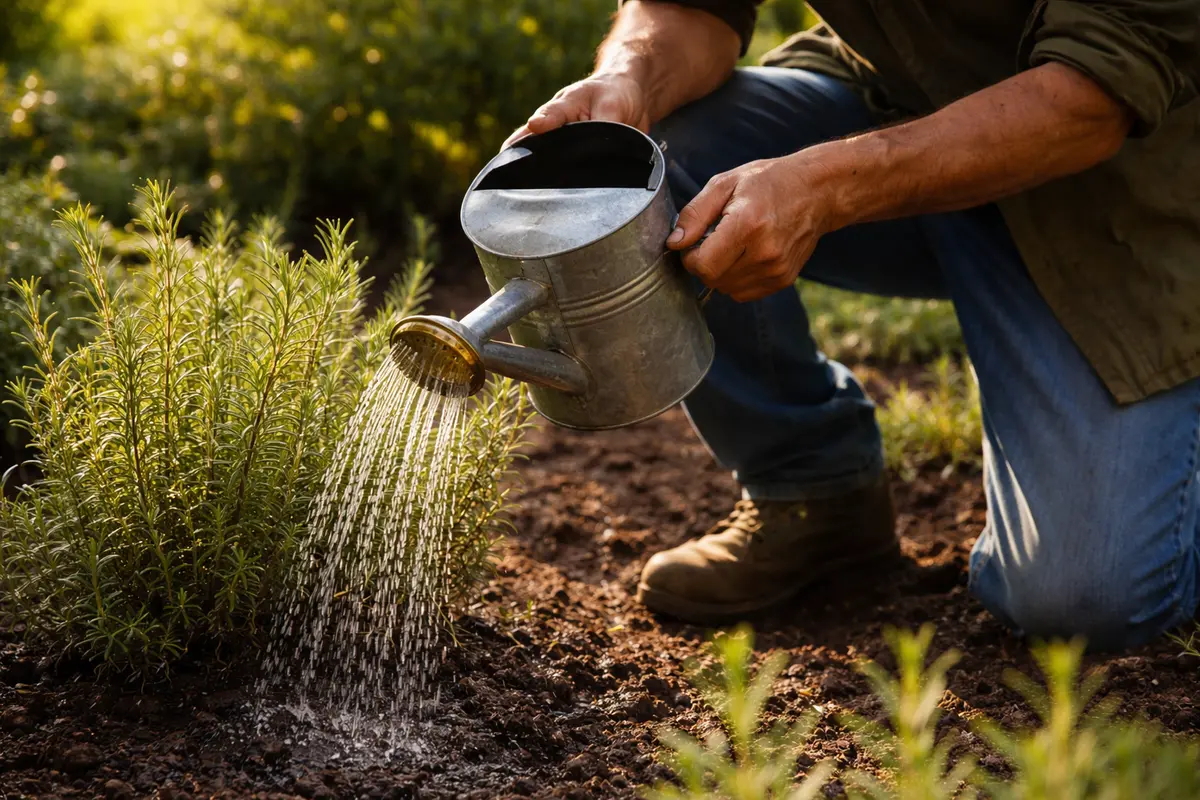
Water your rosemary early in the morning to prevent heat damage. This practice will help the plant absorb moisture before the heat of the day sets in, leading to deeper root hydration. By establishing this routine, you will significantly reduce the risk of future yellowing caused by heat exposure. Timing your watering is crucial; water at dawn to take advantage of the cooler temperatures. Early morning watering allows the moisture to properly sink into the soil before the intense sun can evaporate it.
Watering in the early morning helps to regulate temperature and allows the plant to prepare for the day’s heat. Its leaves will be better hydrated, allowing them to photosynthesize efficiently while minimizing transpiration loss. Moreover, early watering reduces the chances of fungal diseases that often develop with moisture sitting on leaves overnight. If there is dew on the leaves, consider delaying watering slightly, as the moisture aids in hydration naturally; a refreshingly cool morning combined with evaporation tends not to stress the plant. Be aware that rosemary planted in containers might need a different approach due to quicker drying; monitor closely for signs of dehydration.
As the seasons change, you may need to adjust your watering schedule. If summer temperatures are lower in the evenings, a later watering session might be acceptable. On especially hot days, consider increasing the frequency slightly while still being cautious; follow soil moisture levels closely. Be aware of signs like wilting or wrinkled leaves, which suggest dehydration or that the watering schedule is not keeping up with the weather. If you notice adult leaves curling during the hottest parts of the day, it might indicate a need to water or relocate the plant to a slightly shaded area until it recovers. Understanding the water needs also shifts seasonally—keep a close watch as daytime temperatures fluctuate.
Step 5 – Check Rosemary for New Yellow Spots
Inspect your rosemary every 2-3 days for new yellow spots or signs of distress. Look specifically at the new foliage for signs of recovery or further issues. Within a week, you should be able to observe the progression toward healthier, greener leaves. Regular monitoring during this sensitive recovery period can help identify and adjust care tactics in real-time. A well-timed inspection routine pays off significantly as you adapt to the plant’s immediate needs.
A fully recovered rosemary plant will showcase new growth with vibrant green leaves and a sturdy structure. This indicates that the plant is no longer stressed and is efficiently using its resources. If you still notice yellow spots appearing during this time, it may signal a reoccurrence of the original issue. Consider the possibility of lingering pest issues or poor soil conditions as ongoing culprits for further yellowing on newly emerged foliage. Taking prompt action to resolve these issues is vital; ignoring them could revert the plant back to stressful conditions.
If yellow spots return despite following these steps, review your watering habits and soil conditions again. Overwatering or inadequate drainage might be the culprits. In more severe cases, an assessment of local pests or diseases affecting your plants may be necessary, indicating a deeper need for treatment. It’s wise to check beneath leaves and on stems for signs of pests or disease; checking density and moisture of leaves can further indicate where care needs to be adjusted. If pests are located, consider addressing them with a proper organic pesticide or seeking professional assistance if an infestation occurs. This layered checking ensures that plants move toward recovery instead of falling back into a cycle of distress.
FAQ
How long does it take for rosemary to recover from yellowing?
Typically, recovery can take about one to two weeks, depending on the extent of the damage and care provided. You should start noticing improvements within a few days after watering and pruning. Regular visual checks of the foliage will help gauge health—new, vibrant growth indicates the plant is on the mend. The key is consistent monitoring and making adjustments based on the plant’s response to treatments.
Can overwatering cause rosemary leaves to turn yellow?
Yes, overwatering can lead to root rot, which impairs the plant’s ability to take up water and nutrients, causing leaves to yellow. It is crucial to maintain proper soil moisture levels to avoid this condition, especially following a period of heat stress when the roots may have been compromised. Observing periods of drought between watering will help promote a healthier balance; relying on soil checks is a practical way to enhance plant stability.
Should I remove all yellow leaves from my rosemary plant?
Yes, you should prune all yellow and dead leaves to prevent the spread of potential diseases and to help the plant focus its energy on healthy growth. However, be cautious not to remove too much foliage at once, as this can further stress the plant. Keep an eye on the condition of the remaining leaves and adjust care accordingly to promote recovery without overwhelming the plant. Monitoring for new growth will indicate whether the plant is recovering successfully or if further intervention is needed.